Why Kids Need Recovery After Digital Overload
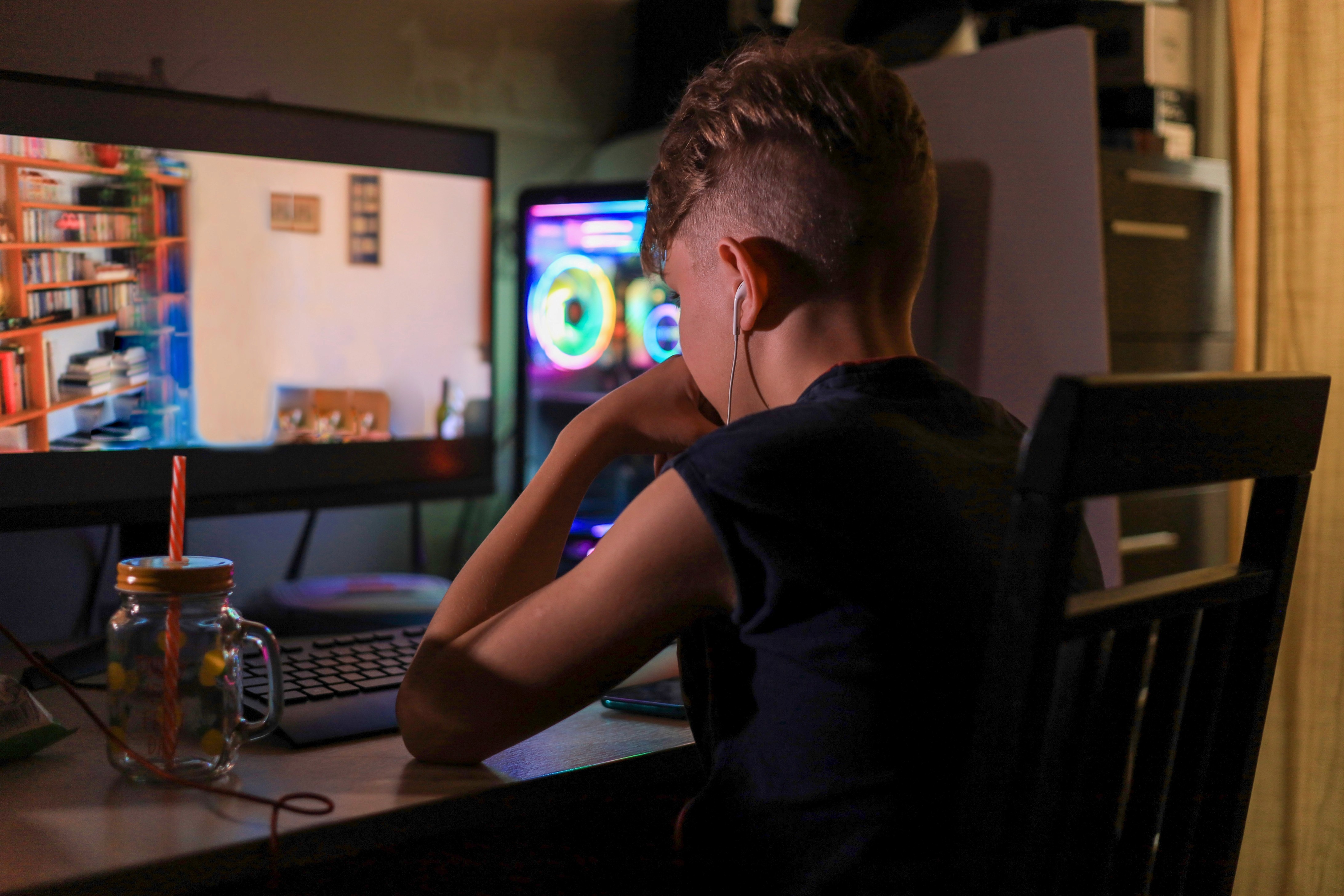
Parents are often taught to think about digital safety in terms of exposure: too much screen time, too much gaming, too much content, too much social media. That matters, but it leaves out something just as important — recovery.
A child can tolerate intense digital engagement much better when there is enough time and space to come back from it. Without recovery, even “normal” amounts of digital activity can begin to feel destabilizing.
This is because digital overload is not only about quantity. It is about sustained activation without enough decompression.
Games, social platforms, chats, and streams all keep the mind engaged in different ways. Attention stays active, emotional systems remain responsive, and social evaluation often continues in the background. In high-intensity digital environments, the brain may spend long periods switching, reacting, anticipating, and self-monitoring.
That kind of state is not sustainable forever. Large-scale brain systems need to rebalance between focused external engagement and internal processing. When a child moves from one intense digital input straight into another, or from digital intensity directly into demands, schoolwork, or conflict, the recovery window disappears.
The result is often misread as a behavior issue. The child seems irritable, flat, uncooperative, or emotionally fragile. But what parents may be seeing is not simply “bad attitude.” It may be a nervous system that has not had time to come down.
Recovery time is not laziness. It is regulation.
This does not mean children should spend hours doing nothing after every digital activity. It means that they need some form of transition and rebalancing. For some children this may look like quiet time, movement, food, a shower, music, or simply a calm non-demanding space. The exact form matters less than the function: reducing input and allowing the system to reset.
Children differ in how much recovery they need. Temperament, age, type of digital activity, and emotional load all matter. A child who finishes a calm creative session may need little recovery. A child coming off competitive play, live voice chat, or socially charged scrolling may need much more.
Warning signs that recovery is missing include recurring meltdowns after device use, difficulty shifting into ordinary family routines, emotional crashes after gaming or messaging, and a pattern where the child looks “fine online” but depleted immediately afterward.
Parents often make the mistake of treating the end of screen time as the end of the issue. In reality, the most important moment may begin right after the screen goes off. That is when the child’s system is either given room to settle or forced into another layer of strain.
The goal of digital parenting is not only to set limits on input. It is to protect the conditions that allow healthy recovery from that input.
Because intensity without recovery does not build resilience.
It builds exhaustion.